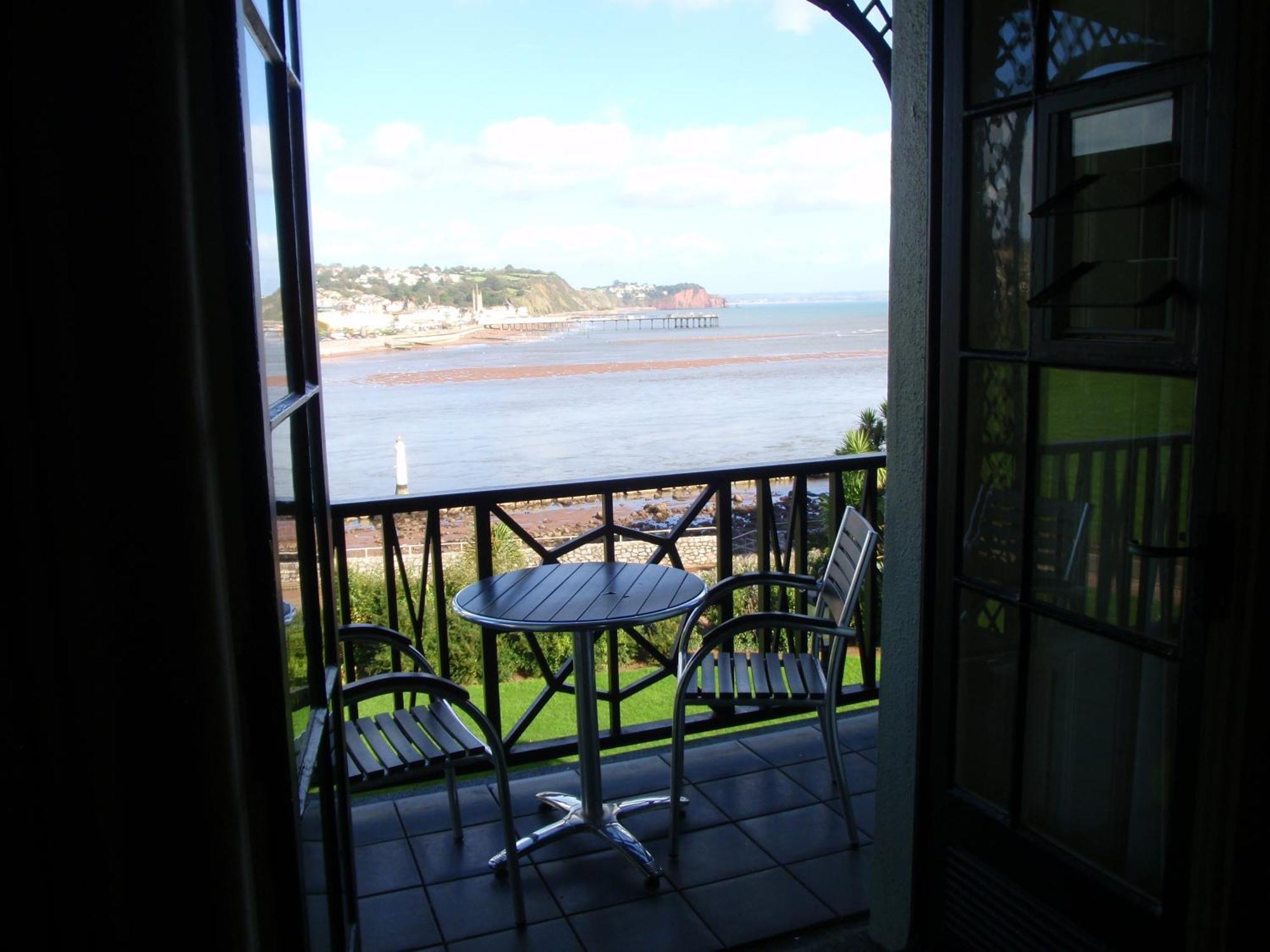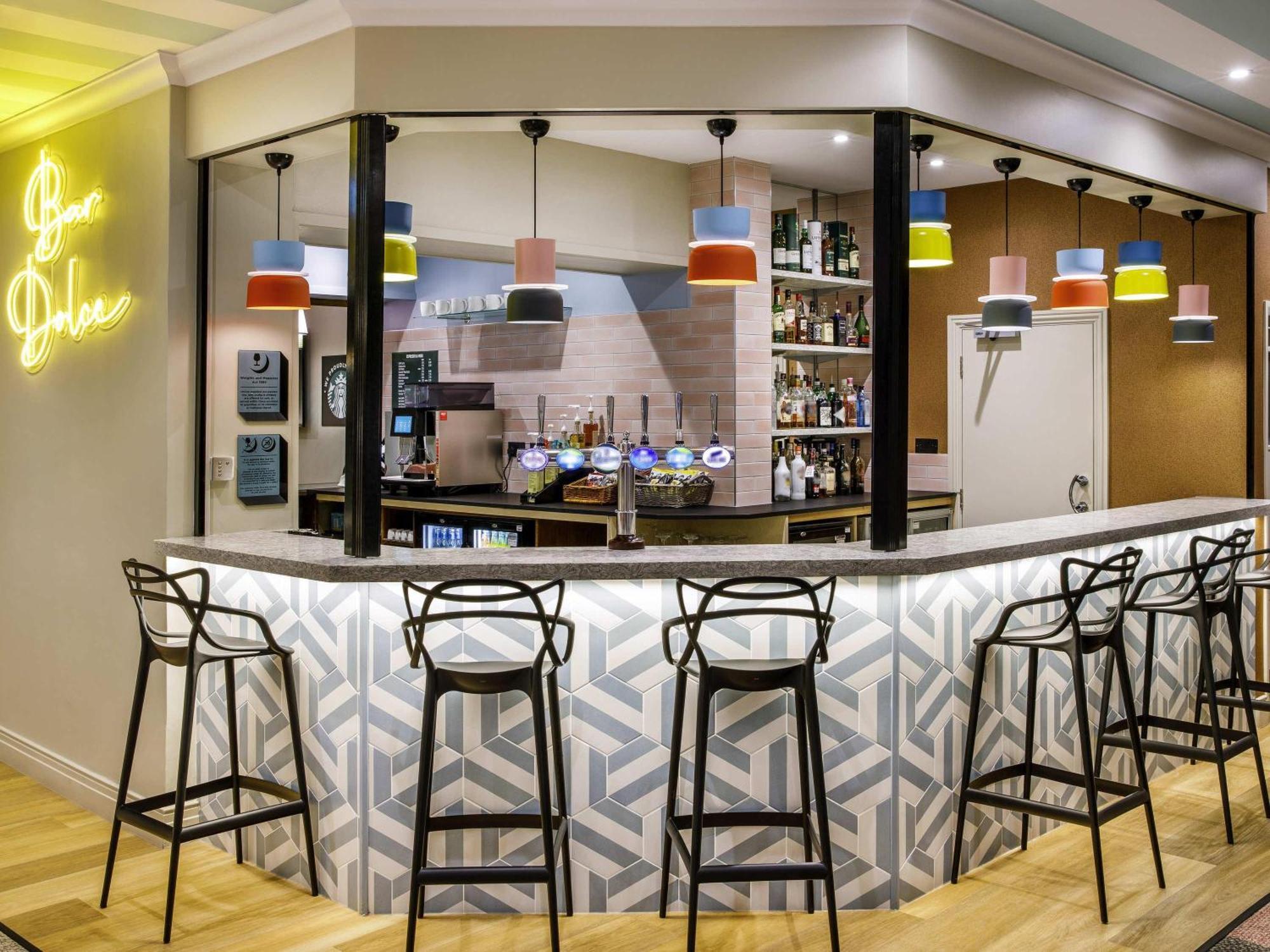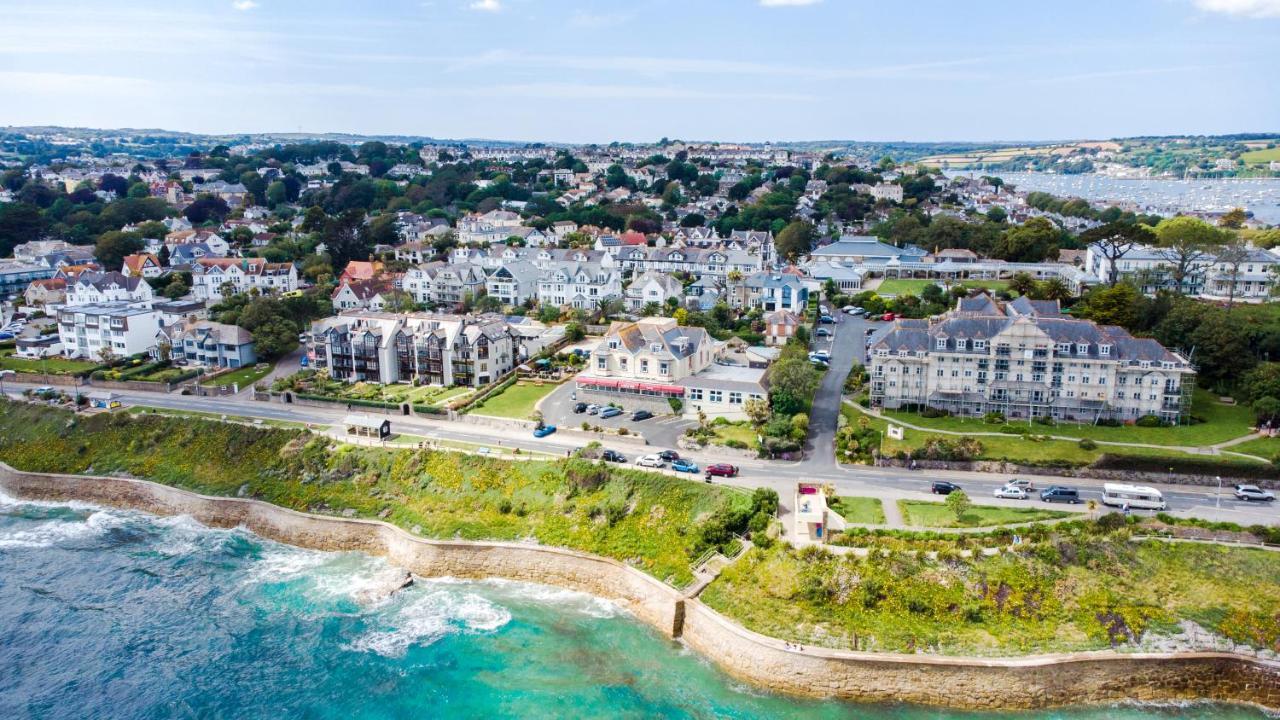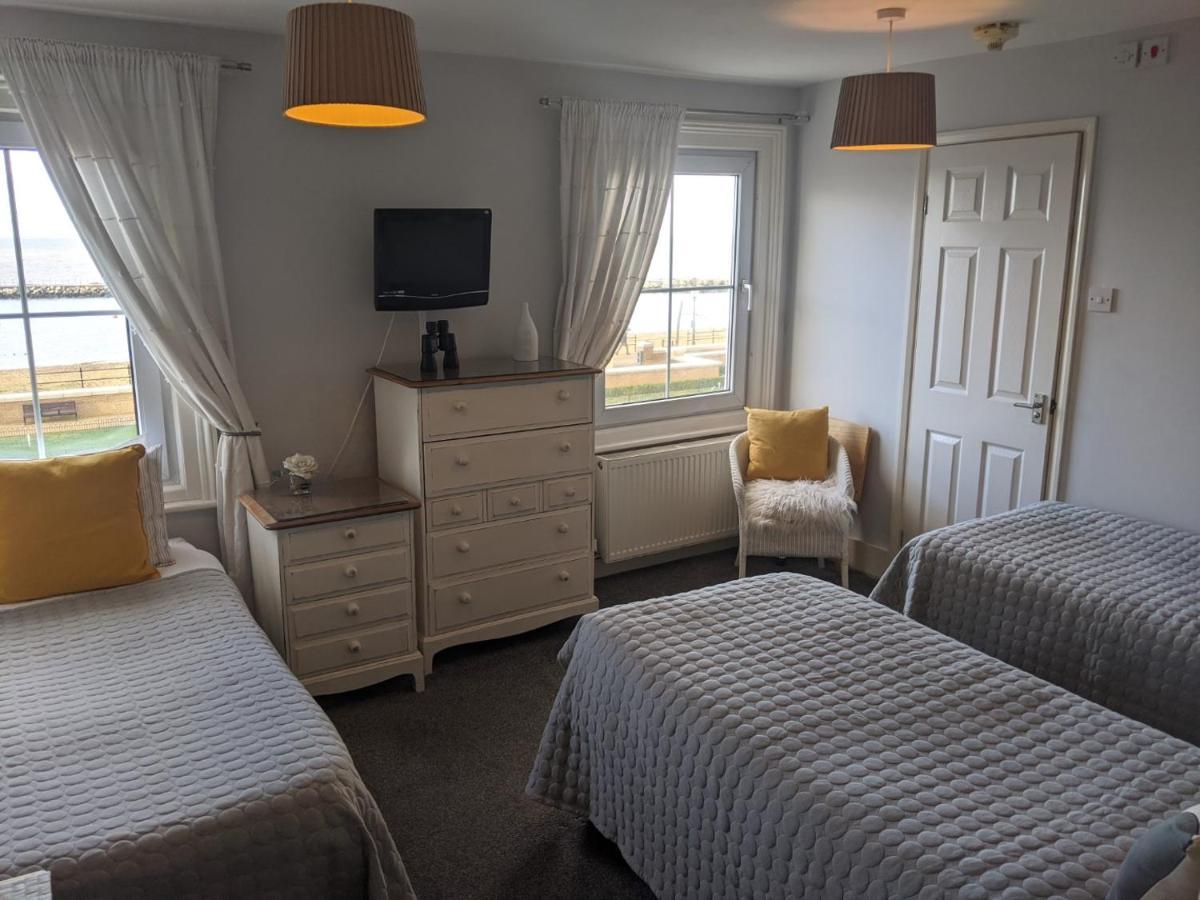
The North Pennines, England's largest Area of Outstanding Natural Beauty, stretches across Cumbria, County Durham, and Northumberland - a region defined by moorland plateaus, medieval castles, and the scenic Eden Valley. Choosing a centrally located hotel here means faster access to key market towns like Penrith and Kirkby Stephen, as well as rural landmarks scattered across a vast landscape. This guide covers 4 central hotels in North Pennines that balance accessibility, local character, and practical travel value.
What It's Like Staying in the North Pennines
The North Pennines is not a destination with a compact tourist centre - it covers around 2,000 square kilometres of upland terrain, meaning your choice of base town directly shapes how much you can realistically see each day. Market towns like Penrith and Kirkby Stephen serve as the main service hubs, with supermarkets, rail connections, and road access to the A66 Trans-Pennine route. Crowd levels remain low compared to the Lake District, but that also means fewer on-demand transport options - a car is almost essential for reaching sites like Brough Castle or the Pennine Way trailheads.
Pros:
- Exceptionally low tourist density compared to the Lake District, giving you genuine access to landscapes without queues
- Market towns like Penrith offer real rail links (West Coast Main Line) for car-free arrivals
- Significantly lower hotel prices than the Lake District for equivalent or superior room quality
Cons:
- Public transport within the region is sparse - rural sites require a hire car or private vehicle
- Limited evening dining options outside of Penrith, especially in smaller villages
- Weather can be unpredictable; the high moorland areas average around 200 rain days per year
Why Choose a Central Hotel in North Pennines
Central hotels in the North Pennines typically mean properties positioned within or adjacent to the region's main service towns - Penrith to the west, Kirkby Stephen in the south, and Ainstable in the rural core. These hotels often cost noticeably less than equivalent properties in the Lake District, while still offering full-service amenities like on-site restaurants and free parking - a critical perk given the driving-heavy nature of any North Pennines itinerary. Unlike remote farmhouse stays, centrally placed hotels here give you walkable access to shops, pubs, and local transport, without sacrificing the rural atmosphere that defines this AONB.
Room sizes at central North Pennines hotels tend to be more generous than urban equivalents, and free parking is standard at around 90% of properties in this category - a real advantage when you're using your vehicle daily to reach sites across the moor.
Pros:
- Free private parking is nearly universal, removing a daily cost burden during road-based exploration
- On-site restaurants serving locally sourced Cumbrian produce reduce the need to travel for evening meals
- Positioned for same-day trips to both the Lake District and the North Pennines' interior without backtracking
Cons:
- "Central" in this region still means driving 30-45 minutes to reach remote moorland sites like Cauldron Snout waterfall
- Some properties are small-scale B&Bs with limited reception hours, requiring pre-arranged arrival
- Weekend rates in Penrith can spike during summer festival season and bank holidays
Practical Booking & Area Strategy for North Pennines
Penrith is the strongest base for most travellers - it sits on the M6 motorway at Junction 40 and has direct rail links on the West Coast Main Line, making it accessible from London, Manchester, and Glasgow without a car. From Penrith, Lake Ullswater is only about 6 km east, and the A66 gives rapid access eastward into the North Pennines proper toward Brough and Barnard Castle. Kirkby Stephen, further south, suits travellers focused on the Eden Valley and the Settle-Carlisle railway corridor, with Brough Castle just under 7 km away. For rural immersion, properties near Ainstable place you within striking distance of the Pennine Way and Hadrian's Wall corridor, though you will depend entirely on a private vehicle. Book at least 6 weeks ahead for summer and bank holiday weekends, as Penrith's limited central hotel stock fills quickly when Lake District accommodation overflows. Popular local draws include High Cup Nick, Cauldron Snout, the Bowes Museum in Barnard Castle, and the market squares of Appleby-in-Westmorland during the annual Horse Fair in June.
Best Value Stays in North Pennines
These properties offer the strongest combination of location, included amenities, and price point - particularly suited to travellers who want a functional, well-connected base without overpaying for frills.
- Show on map
Best price guarantee
-
2. Foundry 34
Show on map


 Check-infrom 16:00 until 22:00Check-outfrom 07:00 until 10:00
Just a few rooms left at the best rate!
from£ 75
-
3. Old Croft House
Show on map


 Check-infrom 16:00 until 18:00Check-outfrom 08:00 until 09:00
Hurry – almost gone at this price!
from£ 135
Best Premium Stay in North Pennines
For travellers seeking a more characterful rural experience with full dining facilities and a genuine country house atmosphere, this property stands apart from the town-based options above.
-
4. Heather Glen Country House
Show on map


 Check-infrom 16:00 until 23:00Check-outfrom 09:00 until 10:00
Rooms filling fast – secure the best rate!
from£ 188
Smart Travel & Timing Advice for North Pennines
The North Pennines is at its most accessible and visually rewarding between late May and early September, when moorland paths are passable and daylight extends well into the evening. June brings the Appleby Horse Fair, which draws large crowds to the Eden Valley and can push Penrith hotel availability to near-zero - book well in advance if your dates overlap. July and August see prices at their seasonal peak, with Penrith hotels in particular filling from Lake District overflow as visitors seek lower rates outside the national park boundary. Late September through October offers a compelling alternative: heather moorland turns deep purple-brown, temperatures remain walkable, and prices drop by around 20% compared to August peaks. Winter stays (November to February) suit travellers focused on Hadrian's Wall and indoor heritage sites like the Bowes Museum, but expect limited opening hours at rural attractions and occasional road closures on exposed moorland routes. For most itineraries, 3 nights provides enough time to cover Penrith, the Eden Valley, and at least one full moorland day walk without rushing.