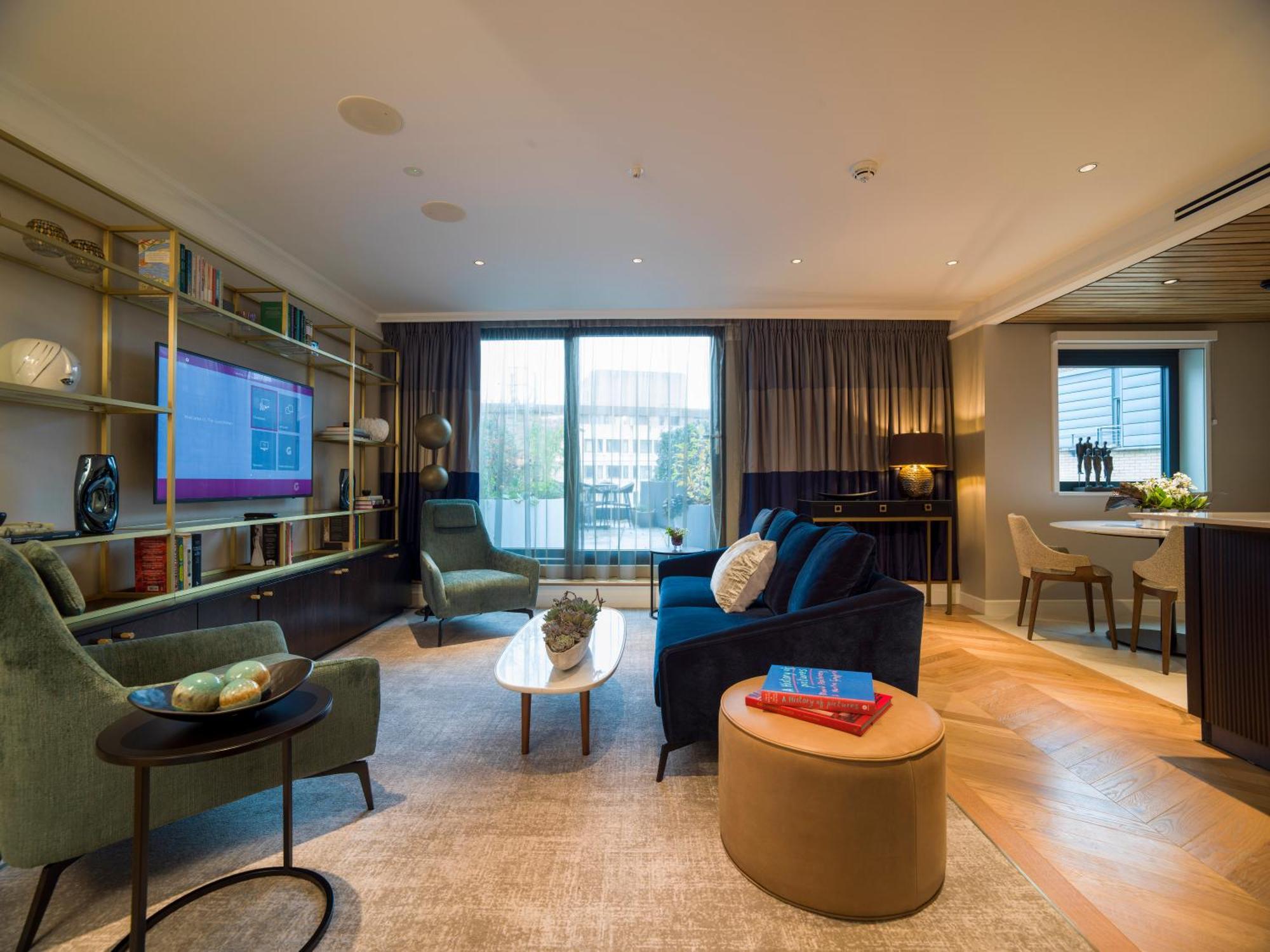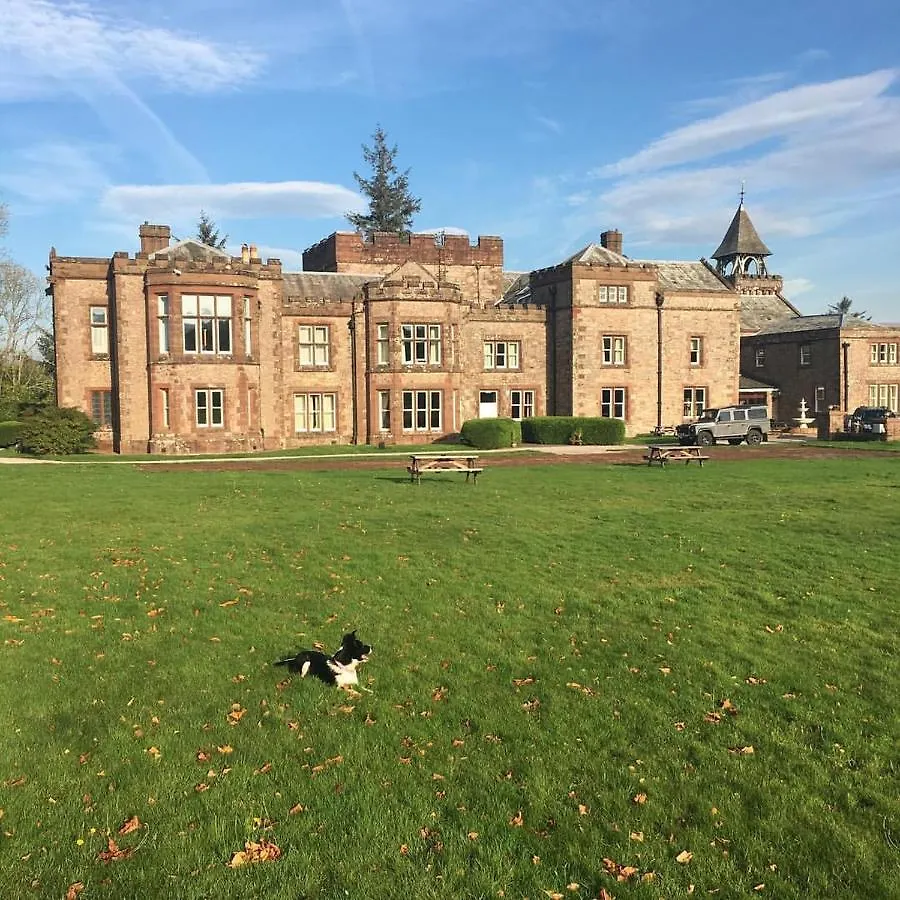
The Western Lake District is the quieter, wilder counterpart to the busier eastern shores - a landscape of dramatic fells, ancient halls, and coastline that most visitors never reach. Choosing a luxury hotel here means trading theme-park crowds for genuine seclusion, without sacrificing quality. This guide covers four standout properties across the region, from a 14th-century fortified hall near Wasdale to a full-facility town hotel in Workington, helping you match your stay to your priorities.
What It's Like Staying in the Western Lake District
The Western Lake District stretches from Whitehaven on the Cumbrian coast inland through Wasdale, Eskdale, and up toward Keswick's western fringe - a corridor that attracts serious walkers, history enthusiasts, and travellers deliberately avoiding the Windermere bottleneck. Transport here is sparse, with limited bus connections between villages, so a car is effectively essential for most itineraries. Unlike Ambleside or Bowness, footfall stays low even in July and August, meaning restaurants, trails, and viewpoints rarely feel overwhelmed.
Staying here rewards those who want authentic Lake District character - stone-built properties, fell access from the door, and menus built around Cumbrian produce. Day-trippers largely skip this corridor, which keeps the atmosphere noticeably calmer than the central lake towns. Around 90% of Western Lake District accommodation is independently owned, giving the area a distinctly local rather than corporate feel.
Pros:
- Far lower crowd density than Windermere or Ambleside, even in peak season
- Direct access to Wasdale, Scafell Pike, and Eskdale without cross-region driving
- Stronger representation of historic and character-rich properties
Cons:
- No direct rail link to most villages - a car is non-negotiable for village stays
- Dining options thin out quickly outside Whitehaven and Workington
- Mobile signal and broadband reliability varies significantly by location
Why Choose Luxury Hotels in the Western Lake District
Luxury accommodation in the Western Lake District typically means boutique scale rather than grand-hotel scale - think restored manor houses, en-suite rooms with fell views, and restaurants sourcing from farms within a few miles. Prices are notably lower than equivalent-quality properties in Windermere, where demand inflates rates considerably. A four-star room here routinely costs around 25% less than a comparable listing in the central lakes during the same period, with no meaningful drop in quality or setting.
Room sizes in Western Lake District luxury stays tend to be generous by UK standards, benefiting from conversion of country houses and historic buildings rather than purpose-built hotel blocks. The trade-off is availability - many properties operate with fewer than 20 rooms, meaning peak-season inventory sells out fast, particularly for weekends between June and September. Travellers prioritising space, quiet, and regional character over spa facilities and concierge services will find this part of Cumbria consistently over-delivers.
Pros:
- Better value per night versus central Lake District luxury options
- Larger average room sizes due to historic building conversions
- Restaurant quality reflects locally sourced Cumbrian produce at a high level
Cons:
- Small room counts mean availability disappears quickly during summer weekends
- Fewer properties with full spa or wellness facilities compared to Windermere hotels
- Some luxury stays require driving to reach evening dining or local attractions
Practical Booking & Area Strategy for Western Lake District
Position matters significantly here. Staying near Eskdale or Wasdale puts you within minutes of Scafell Pike and the Ravenglass & Eskdale Miniature Railway, but adds driving time if you want to visit Derwentwater or Buttermere. Whitehaven and Workington on the coast give better transport access - including rail connections to Carlisle and Barrow - and suit travellers combining leisure with business or those without a car. Keswick's western edge provides a middle-ground position, keeping Cat Bells and Borrowdale accessible while the central lake crowds remain manageable.
For popular summer weekends, booking at least 8 weeks ahead is strongly advisable for the smaller character properties. The Ravenglass & Eskdale Railway, Muncaster Castle, and Whinlatter Forest Park are the region's busiest attractions, peaking between late July and late August. Autumn - particularly October - offers the best balance of manageable weather, lower prices, and dramatically coloured fells, making it the most strategically sound booking window for value-conscious luxury travellers.
Best Value Luxury Stays
These properties deliver genuine luxury character - historic settings, quality dining, and well-appointed rooms - at rates that reflect the Western Lake District's relative lower demand compared to the central lakes.
-
1. Irton Hall
Show on map


 Check-infrom 16:00 until 22:00Check-outfrom 07:00 until 10:00
Just a few rooms left at the best rate!
from£ 108
-
2. The Langstrath Country Inn
Show on map


 Check-infrom 16:00 until 22:00Check-outfrom 07:00 until 10:00
Just a few rooms left at the best rate!
from£ 159
Best Premium Luxury Stays
These properties offer broader facilities, town-centre positioning, or elevated dining concepts - suited to travellers who want luxury amenities alongside Western Lake District access.
-
3. Georgian House Hotel
Show on map


 Check-infrom 16:00 until 22:00Check-outfrom 07:00 until 10:00
Hurry – almost gone at this price!
from£ 148
-
4. Washington Central Hotel And Sleepwell Inn
Show on map


 Check-infrom 15:00 until 22:00Check-outfrom 07:00 until 11:00
Rooms filling fast – secure the best rate!
from£ 127
Smart Timing & Travel Advice for the Western Lake District
The Western Lake District runs on a distinctly different seasonal rhythm than the central lakes. Summer (July-August) brings higher occupancy at character properties like Irton Hall, but the region never becomes as saturated as Windermere or Grasmere - making late July still a viable booking window if you act around 6 weeks ahead. Spring (April-May) offers drier walking conditions than statistics suggest, with green fells and low accommodation prices, though some smaller properties operate reduced services before the main season opens.
October is the standout month for value and atmosphere - fell colours peak, rain remains manageable, and prices dip noticeably after the school holiday surge. Winter stays are viable in Whitehaven and Workington, where town infrastructure continues year-round, but more rural options like Irton Hall should be checked for seasonal closure periods before booking. A minimum of 3 nights is recommended to justify the drive times involved in reaching the western fells and to allow meaningful exploration of Wasdale, Eskdale, and the coastal Cumbrian villages without rushing.