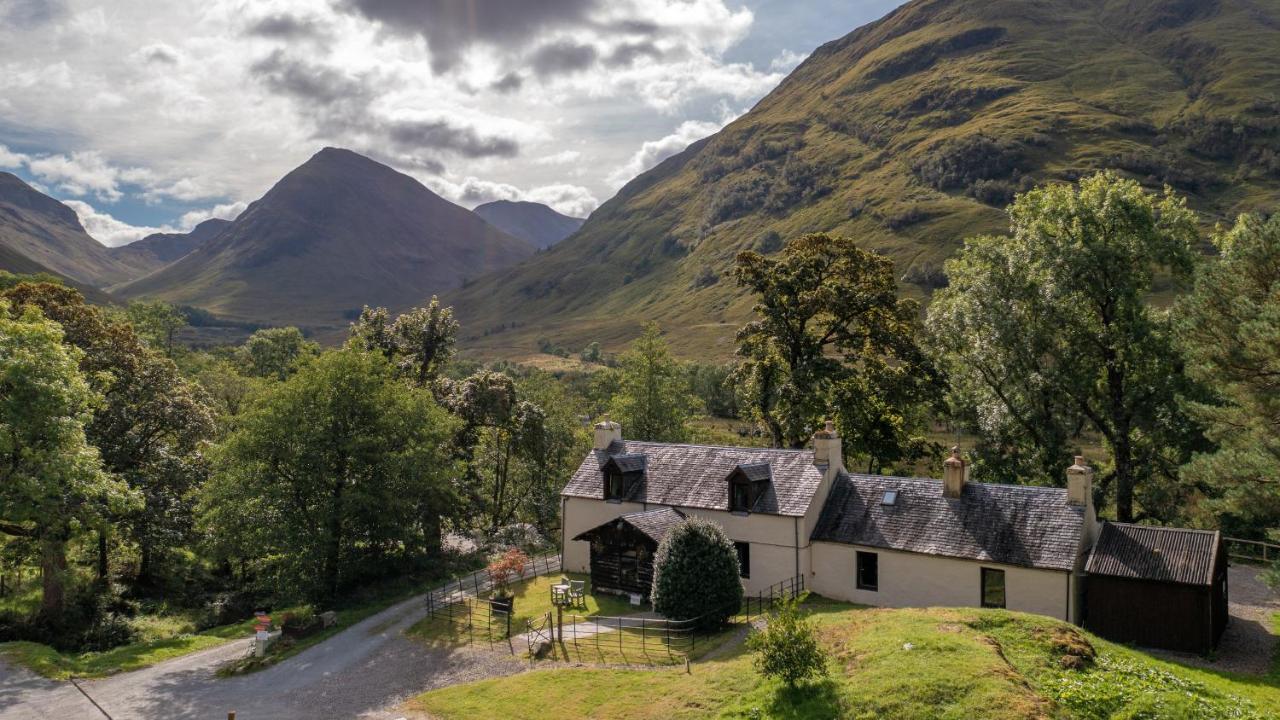
Suffolk delivers a rare combination of medieval market towns, unspoiled coastline, and quietly prosperous countryside - yet finding a hotel with a genuinely strong location rating takes more than scanning a map. This guide focuses specifically on hotels across Suffolk that guests consistently rate highly for their position: walkability to key attractions, ease of access to transport, and proximity to the experiences that make this county worth visiting. Whether you're based in Bury St Edmunds, exploring the Ipswich waterfront, or retreating to rural west Suffolk, location determines how much you actually enjoy your stay.
What It's Like Staying in Suffolk
Suffolk is one of England's most underrated counties - a place where medieval wool towns sit minutes from open heathland, and where the pace shifts noticeably from London's commuter belt. Transport across the county is functional rather than fast: regular Greater Anglia trains connect Ipswich to London Liverpool Street in around 70 minutes, but inter-town bus services are limited, making a car strongly advisable for rural stays. Crowd pressure stays low outside of summer festival season, particularly in Aldeburgh and Southwold, where visitor numbers spike sharply in July and August but ease off dramatically by mid-September.
Pros:
- Genuinely uncrowded countryside and coastal access outside peak weeks, with no mass-tourism infrastructure to navigate
- Strong concentration of heritage attractions - Lavenham, Framlingham Castle, Sutton Hoo - all within under an hour's drive from most bases
- Ipswich and Bury St Edmunds both offer walkable town centres with independent dining scenes, making them practical overnight bases
Cons:
- Public transport between smaller towns is sparse - a car is near-essential for visiting coastal villages or rural sites like West Stow
- Coastal towns like Aldeburgh have very limited accommodation inventory, pushing prices up sharply during Snape Proms season
- Suffolk's appeal is quiet and nature-led - travellers seeking nightlife, urban energy, or major city amenities will find it underpowered
Why Choose a Well-Located Hotel in Suffolk
In a county where driving between attractions can easily consume an hour each way, a property with a strong location rating genuinely changes how much you see and enjoy. Well-located stays in Suffolk cluster around three distinct zones: the Ipswich urban area for transport access, Bury St Edmunds for heritage walkability, and the rural west for immersive countryside retreats. Unlike urban UK hotels where location typically means proximity to a train station, in Suffolk it often means being within walking distance of an abbey garden, a nature reserve, or a market town centre - distinctions that matter significantly when planning day trips. Guests who prioritise location in Suffolk tend to save around 40 minutes of daily driving compared to staying in peripheral accommodation.
Pros:
- Central positions in Bury St Edmunds or Ipswich allow direct walking access to key sites without car dependency
- Rural properties rated highly for location typically offer garden, woodland, or heathland views that urban Suffolk hotels cannot match
- Proximity to key routes - A14, A12 - from well-located properties makes multi-destination day trips across Suffolk and into Norfolk or Essex practical
Cons:
- The most location-rated rural retreats in Suffolk are often self-catering, which suits longer stays but less so one-night stopovers
- Properties close to Bury St Edmunds town centre carry a premium compared to edge-of-town alternatives
- Some high-location-rated rural properties are inaccessible without a car, limiting their utility for train-only travellers
Practical Booking & Area Strategy for Suffolk
For first-time visitors, Bury St Edmunds is the most strategically useful base in Suffolk: its compact centre is walkable in under 15 minutes end-to-end, and it sits equidistant between Ipswich, Newmarket, and Thetford Forest. Ipswich provides the county's best rail access - direct services to London run frequently - and suits travellers using Suffolk as a base for day trips rather than a slow-travel destination. For those targeting the coast or Snape Maltings, staying near the A12 corridor reduces commute time significantly. Book at least 8 weeks ahead for summer stays in Bury St Edmunds, as the town's limited bed stock fills quickly during the Bury St Edmunds Festival (May) and the Christmas Fayre (November/December). West Suffolk's countryside properties around West Stow and Preston offer the highest seclusion-to-price ratio outside of peak season - ideal for groups or self-catering travellers who want space without paying coastal premiums.
Best Value Stays
These properties offer strong location ratings relative to their price point - suited to travellers prioritising access, space, or rural immersion without premium nightly rates.
-
1. West Stow Pods In Bury St Edmunds
Show on map


 Check-infrom 15:00 until 23:30Check-outfrom 08:00 until 10:00
Just a few rooms left at the best rate!
from£ 427
-
2. Apple Mount Retreat
Show on map


 Check-infrom 16:00 until 23:59Check-outuntil 10:00
Just a few rooms left at the best rate!
from£ 89
-
3. Camps Heath Barn
Show on map


 Check-infrom 15:00 until 22:00Check-outuntil 10:00
Hurry – almost gone at this price!
from£ 94
-
4. Winton Lodge
Show on map


 Check-infrom 16:00 until 23:59Check-outuntil 10:00
Hurry – almost gone at this price!
from£ 1032
Best Premium Stays
These properties offer elevated facilities, stronger heritage character, or higher-specification rooms - suited to guests who want their Suffolk base to be part of the experience, not just an overnight stop.
-
5. The Fox By Greene King Inns
Show on map


 Check-infrom 14:00 until 22:00Check-outuntil 11:00
Rooms filling fast – secure the best rate!
from£ 108
-
6. Harkstead Hall By Group Retreats
Show on map


 Check-infrom 16:00 until 23:59Check-outuntil 11:00
Rooms filling fast – secure the best rate!
from£ 1155
Smart Travel & Timing Advice for Suffolk
Suffolk's peak season runs from late June through August, driven by school holidays, coastal demand in Aldeburgh and Southwold, and events like the Latitude Festival (Henham Park, July) and Snape Proms (July-August). During these weeks, prices in Bury St Edmunds and coastal areas rise sharply, and well-rated properties sell out weeks in advance. The shoulder months - May, June, and September - offer the most balanced conditions: warm enough for coastal walks and outdoor dining, but without the inventory pressure or road congestion of peak summer. Book at least 8 weeks ahead for any July or August stay, particularly in Aldeburgh or for group-size properties like Harkstead Hall. Winter visits (November-February) unlock the lowest nightly rates and near-empty heritage sites like Framlingham Castle and Lavenham, though some smaller rural properties reduce availability or close entirely. A stay of 3 nights gives enough time to combine a heritage town base with at least one full coastal day trip and one countryside excursion without feeling rushed.