Scotland's inn hotels sit at the crossroads of genuine local character and practical comfort - offering full breakfasts, on-site bars, and free parking that chain hotels rarely match at the same price point. From Perthshire market towns to remote Orkney villages, these properties give travellers direct access to Scotland's landscapes without sacrificing convenience. This guide covers four carefully selected inns across distinct Scottish regions to help you decide which fits your itinerary best.
What It's Like Staying in Scotland
Scotland rewards slow travel - distances between key attractions are significant, and having a base with free parking matters more here than in most European destinations. Public transport thins out rapidly beyond Edinburgh and Glasgow, making inn hotels with on-site amenities strategically valuable for rural exploration. Crowds concentrate along the NC500 and in Edinburgh from June through August, while coastal and island properties stay quieter and more accessible throughout the year.
Travellers who enjoy driving scenic routes, visiting distilleries, and eating locally sourced food will find Scotland's inn hotels well-suited to their rhythm. Those expecting urban nightlife or walkable city grids may find rural inns isolating without a car.
Pros:
- Free parking is standard at most Scottish inns, eliminating a major hidden cost
- On-site restaurants and bars mean no need to drive after dark in remote areas
- Inn hotels are typically positioned near hiking trails, golf courses, and heritage sites
Cons:
- Many inns are located outside town centres, requiring a car for most activities
- Booking well in advance is essential during summer, especially in the Highlands and islands
- Room sizes vary significantly between properties, with no guaranteed standard
Why Choose Inn Hotels in Scotland
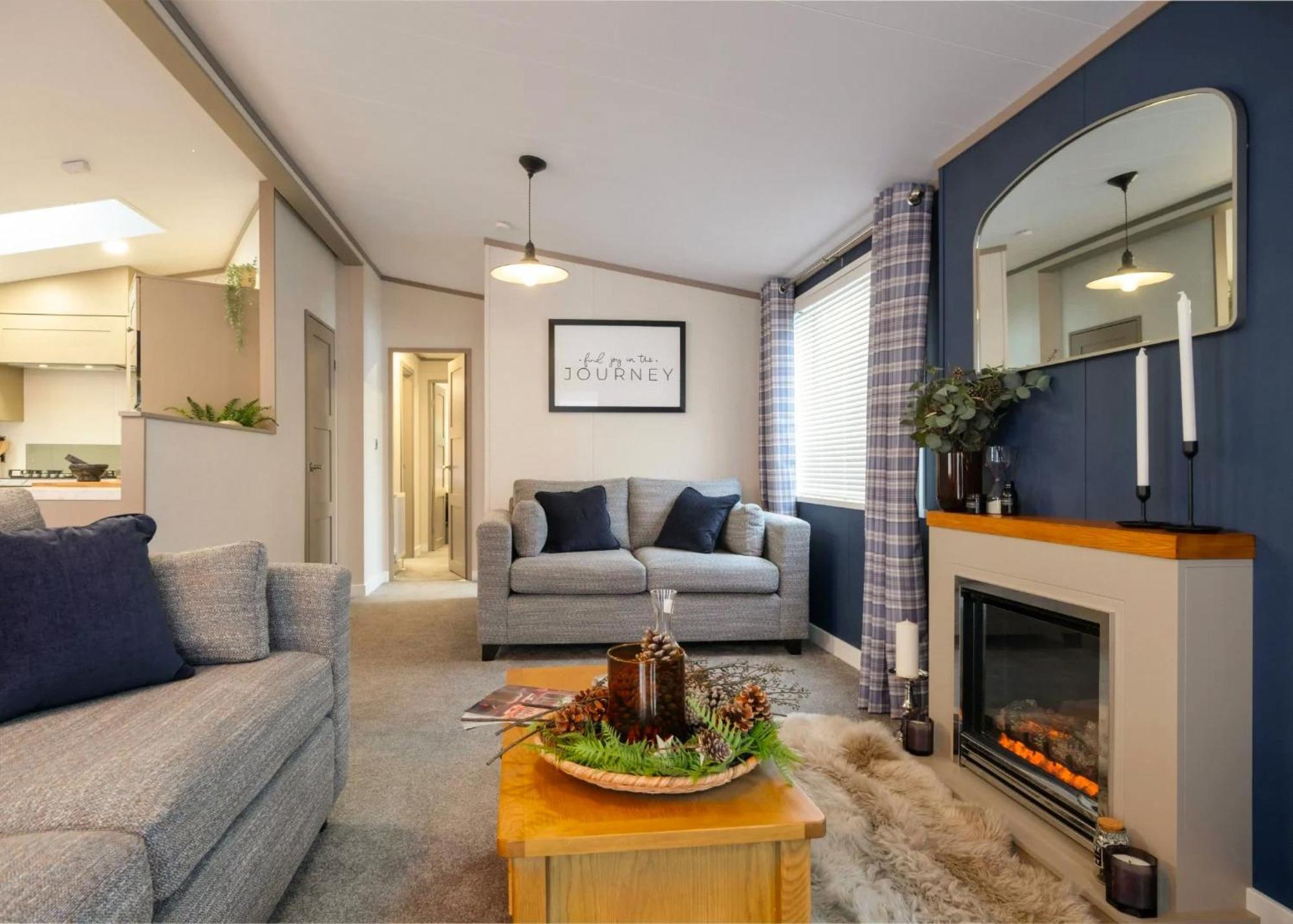
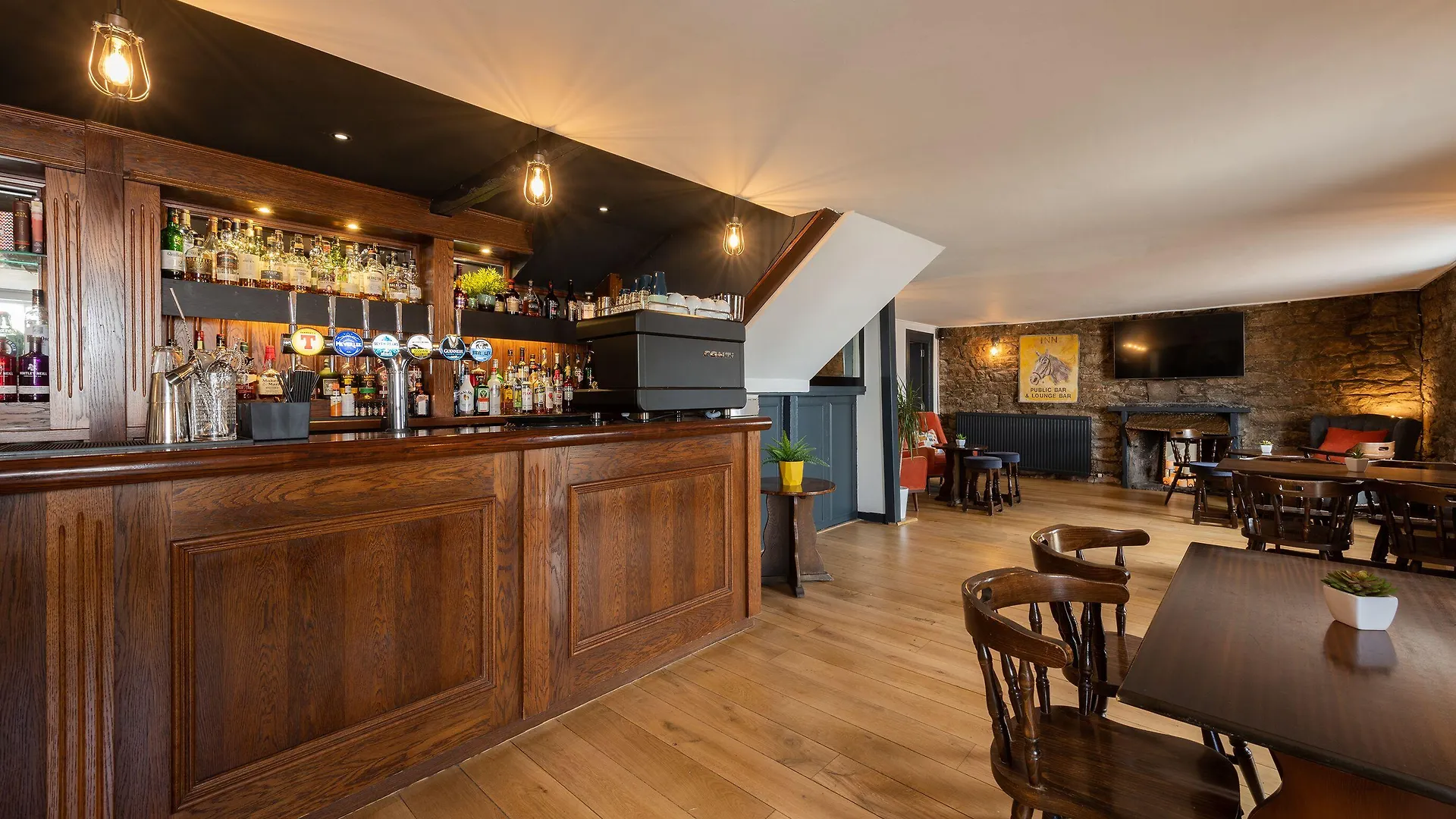
Scottish inns typically offer a character-driven stay that mid-range chain hotels cannot replicate - exposed stonework, locally sourced menus, and staff with genuine regional knowledge. Prices at Scottish inns average around 30% less than comparable boutique hotels in the same area, while still including breakfast options that would cost extra elsewhere. Room sizes can be compact in older converted buildings, and noise from the bar area is worth checking at booking, particularly for ground-floor rooms.
For travellers combining sightseeing with outdoor activities, the practical package of parking, food, and drink under one roof reduces daily logistics considerably - a real advantage when covering ground across Perthshire, the Highlands, or Orkney in a single trip.
Main advantages of inn hotels in Scotland:
- Full breakfast options included or available on-site reduce morning planning
- Free parking at most properties saves around £15 per night compared to urban hotels
- Bar access on-site is especially valuable in areas with limited evening dining alternatives
Main trade-offs in this specific category:
- Older inn buildings may have limited soundproofing between rooms
- Some properties lack lift access, which affects guests with mobility requirements
- Rural locations mean limited options if the restaurant is fully booked on arrival
Practical Booking & Area Strategy
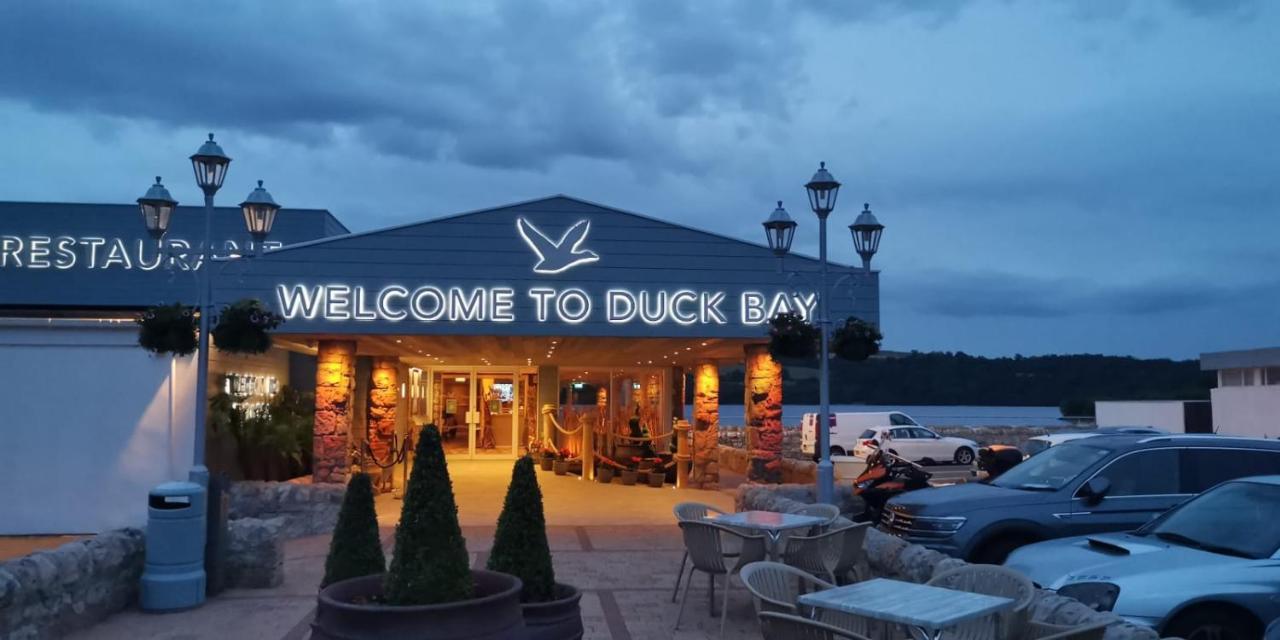
Scotland's inn hotels cluster around four distinct travel corridors: the Perthshire lowlands around Auchterarder, the Easter Ross coastline near Invergordon, the Orkney archipelago accessed via Kirkwall, and the Stirling gateway between Edinburgh and the Trossachs. Stirling-based inns offer the strongest transport connectivity, sitting within around 47 km of Glasgow Airport and giving access to both the Central Belt and Loch Lomond within a single day. For Orkney, Kirkwall Airport is the primary entry point, and accommodation books out weeks ahead in July and August - committing early is not optional for island stays.
The Invergordon area along the Cromarty Firth is a strong base for Black Isle day trips and whisky trail routes without the premium pricing of Inverness city hotels. Perthshire inns position guests well for Scone Palace, Gleneagles, and the Tay valley. Hiking, fishing, and cycling are the dominant outdoor activities across all four zones, with golf courses adding a secondary draw in Perthshire and Easter Ross specifically.
Best Value Stays
These inns deliver strong practical value across Perthshire and the Easter Ross coast, combining free parking, full breakfast service, and on-site bar access at accessible price points relative to their regions.
-
1. Smiddy Haugh
Show on map


 Check-infrom 16:00 until 22:00Check-outuntil 10:00
Just a few rooms left at the best rate!
from£ 62
-
2. Tuckers Inn
Show on map


 Check-infrom 16:00 until 22:00Check-outuntil 10:00
Just a few rooms left at the best rate!
from£ 58
Best Premium Stays
These two inns stand out for their location-specific advantages - one offering rare island seafood dining in Orkney, the other bridging the Trossachs and Glasgow within a single drive from Stirling.
-
1. Murray Arms Hotel And Seafood Restaurant, Orkney
Show on map


 Check-infrom 14:00 until 23:30Check-outuntil 10:00
Hurry – almost gone at this price!
from£ 139
-
4. Black Bull Gartmore
Show on map


 Check-infrom 17:00 until 22:00Check-outfrom 08:00 until 10:00
Rooms filling fast – secure the best rate!
from£ 144
Smart Travel & Timing Advice for Scotland Inn Stays
Scotland's peak travel window runs from late June through August, when accommodation across Perthshire, the Highlands, and Orkney fills weeks in advance and prices rise by around 40% compared to shoulder season. May and September offer the most practical balance of accessible weather, reduced crowds, and better availability at inns that don't require months of advance planning. Orkney in particular demands early commitment - island accommodation is finite and the summer ferry and flight schedules compress demand into a very short window.
For Stirling and Perthshire, last-minute bookings remain more realistic outside of major golf events at Gleneagles or Scottish school holiday periods. A minimum of two nights per base makes sense given driving distances between attractions - single-night stays sacrifice too much time to check-in and travel logistics. Winter stays between November and February offer the lowest rates and the most atmospheric inn experiences, though some rural properties reduce food service hours significantly during this period.