Scotland's holiday parks range from lochside lodges with private hot tubs to working croft pods on remote Hebridean islands - a format that suits self-catering travellers who want space, privacy, and direct access to the outdoors without the constraints of a traditional hotel. This guide covers 11 handpicked holiday park options across the country, from Dumfries and Galloway to Perthshire and the west coast, helping you match the right park to your travel style, group size, and budget.
What It's Like Staying in Scotland
Scotland rewards unhurried travellers. Its landscapes shift dramatically over short distances - from the rolling moorland of Dumfries and Galloway to the glacier-carved lochs of Perthshire and the wind-scoured coastlines of Argyll - meaning that where you base yourself shapes your entire experience. Public transport outside of Edinburgh and Glasgow is limited, so most holiday park guests arrive by car, which also gives them the freedom to explore single-track roads, forest trails, and coastal routes at their own pace. Visitor numbers peak sharply between June and August, when demand for self-catering accommodation rises by around 40% compared to shoulder months, so early booking is critical for summer stays.
Pros:
- Extraordinary landscape variety within driving distance of most parks - mountains, lochs, castles, and coastline are rarely more than an hour away
- Self-catering holiday parks offer genuine value for families and groups, eliminating restaurant costs for every meal
- Many parks sit inside or adjacent to national parks, with direct access to walking, cycling, and fishing without paying entrance fees
Cons:
- Weather is genuinely unpredictable year-round - midges are a serious nuisance in rural areas from May to September
- Car dependency is near-total for most holiday park locations; public transport connections are poor to non-existent
- Remote parks can feel isolated during low season, with local shops and restaurants having reduced opening hours
Why Choose a Holiday Park Hotel in Scotland
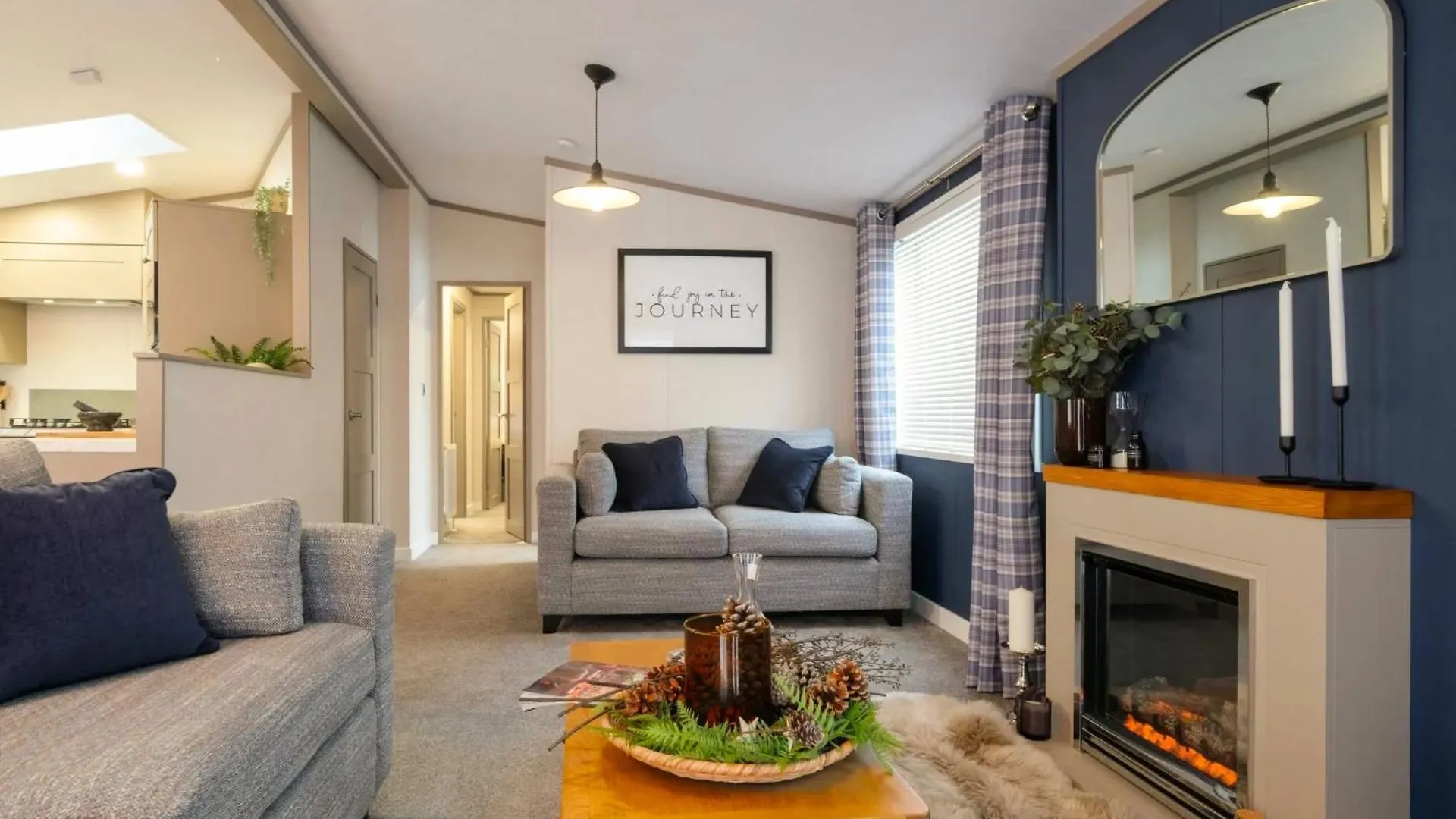
Holiday parks in Scotland occupy a distinct position between budget camping and full-service hotels - they offer private, self-contained units with kitchen facilities, outdoor space, and often hot tubs or loch views, at nightly rates that are typically 30-50% lower than comparable hotel rooms for groups of four or more. The category spans a wide spectrum: rustic static caravans with basic kitchens, Scandinavian-style lodges with dishwashers and flat-screen TVs, and purpose-built glamping pods with fire pits and mountain panoramas. Unlike city hotels, most Scottish holiday parks are set within working landscapes - farm estates, forest clearings, or loch shores - which means outdoor access is immediate rather than requiring a drive. The trade-off is that on-site dining and entertainment are limited; guests are expected to be largely self-sufficient.
Pros:
- Full kitchen facilities eliminate the cost and inconvenience of eating out for every meal, especially relevant for families
- Private hot tubs, balconies, and lake views are standard at mid-range and premium parks - amenities rare in equivalently priced hotels
- Flexible arrival and departure structures suit multi-night itineraries built around outdoor activities
Cons:
- On-site food and drink options are minimal at most parks - guests must plan provisioning trips in advance
- Units vary widely in quality even within the same park; reading recent reviews for specific unit types is essential
- Parking charges and linen fees are sometimes added on top of advertised rates, increasing the true cost
Practical Booking & Area Strategy
For travellers focused on central Scotland and national park access, parks near Callander and St Fillans in Perthshire place you within an hour of Stirling Castle, Loch Lomond, and the Trossachs - making them the most versatile base for a first visit. Dumfries and Galloway parks suit travellers crossing from northern England or exploring the Solway Coast and Galloway Forest Dark Sky Park, though the area sees fewer international visitors and infrastructure is thinner. On the west coast and islands - particularly around Loch Lomond and Argyll - booking at least 8 weeks in advance for June to August is non-negotiable; demand from both domestic and international visitors fills quality self-catering units rapidly. For the Scottish Borders, parks around Ettrick and the Tweed Valley offer quiet rural retreats within 90 minutes of Edinburgh Airport, a combination that suits short breaks in spring and autumn when prices are lower and crowds are absent.
Best Value Holiday Parks
These parks deliver strong self-catering fundamentals - equipped kitchens, private parking, and rural settings - at accessible price points, making them practical choices for families and couples prioritising space over luxury.
-
1. Whitecairn Holiday Park
Show on map


 Check-infrom 16:00 until 23:59Check-outuntil 10:00
Just a few rooms left at the best rate!
from£ 167
- Show on map
Best price guarantee
-
3. Nethercraig Holiday Park
Show on map


 Check-infrom 15:00 until 19:00Check-outfrom 07:00 until 10:00
Rooms filling fast – secure the best rate!
from£ 58
- Show on map
Best price guarantee
-
5. Ryan Bay Holiday Park
Show on map


 Check-infrom 17:00 until 20:00Check-outuntil 09:00
Just a few rooms left at the best rate!
from£ 79
-
6. Angecroft Park
Show on map


 Check-infrom 16:00 until 23:59Check-outuntil 10:00
Just a few rooms left at the best rate!
from£ 122
Best Premium Holiday Parks
These parks offer standout settings, elevated facilities, or genuinely distinctive accommodation formats - loch views, estate lodges, island pods - that justify a higher nightly rate and make the stay itself a central part of the Scotland experience.
-
1. Callander Woods Holiday Park
Show on map


 Check-infrom 16:00 until 20:00Check-outfrom 09:00 until 10:00
Best price guarantee
from£ 94
-
2. Loch Earn Leisure Park
Show on map


 Check-infrom 16:00 until 17:00Check-outfrom 09:00 until 10:00
Rooms filling fast – secure the best rate!
from£ 209
-
3. Loch Lomond Waterfront Luxury Lodges
Show on map


 Check-infrom 16:00 until 23:59Check-outuntil 10:00
Best price guarantee
from£ 376
-
10. Gadgirth Estate Lodges
Show on map


 Check-infrom 16:00 until 23:59Check-outuntil 10:00
Hurry – almost gone at this price!
from£ 168
-
5. Iona Pods
Show on map


 Check-infrom 15:00 until 19:00Check-outfrom 08:00 until 11:00
Hurry – almost gone at this price!
from£ 91
Smart Travel & Timing Advice for Scotland Holiday Parks
The peak window for Scottish holiday parks runs from late June through August, when school holidays drive occupancy to near-maximum at the most popular parks - particularly those within or adjacent to Loch Lomond and Trossachs National Park. Prices during peak weeks can be around 45% higher than the same unit in May or September, making shoulder season the clear value window for flexible travellers. May and early June offer the best balance of weather, daylight hours, and availability, with the added benefit of lower midge activity than July and August in forested and lochside locations. For island destinations like Iona, ferry-dependent access means booking accommodation and transport together at least 10 weeks in advance for summer travel - the CalMac ferry to Mull (then the Iona ferry) operates to a fixed timetable and fills quickly. A minimum of three nights is realistic at any rural holiday park to justify travel time; parks near Callander or Dumfries can work for two-night breaks given their closer proximity to major airports and motorway connections. October to March sees most rural parks either closed or operating at minimal capacity, so winter stays require direct confirmation with the park before booking.